
Exploring the evolution of gambling through the ages
The Ancient Roots of Gambling
The origins of gambling can be traced back to ancient civilizations where games of chance were intertwined with cultural practices. Evidence shows that the Chinese were gambling as early as 2300 BC, using rudimentary forms of dice made from bones. Similarly, ancient Egyptians employed gaming tools such as senet and the Royal Game of Ur, highlighting that the desire to wager and take risks is a fundamental aspect of human nature, transcending time and culture. Today, you can find brand new online casinos that continue this legacy.
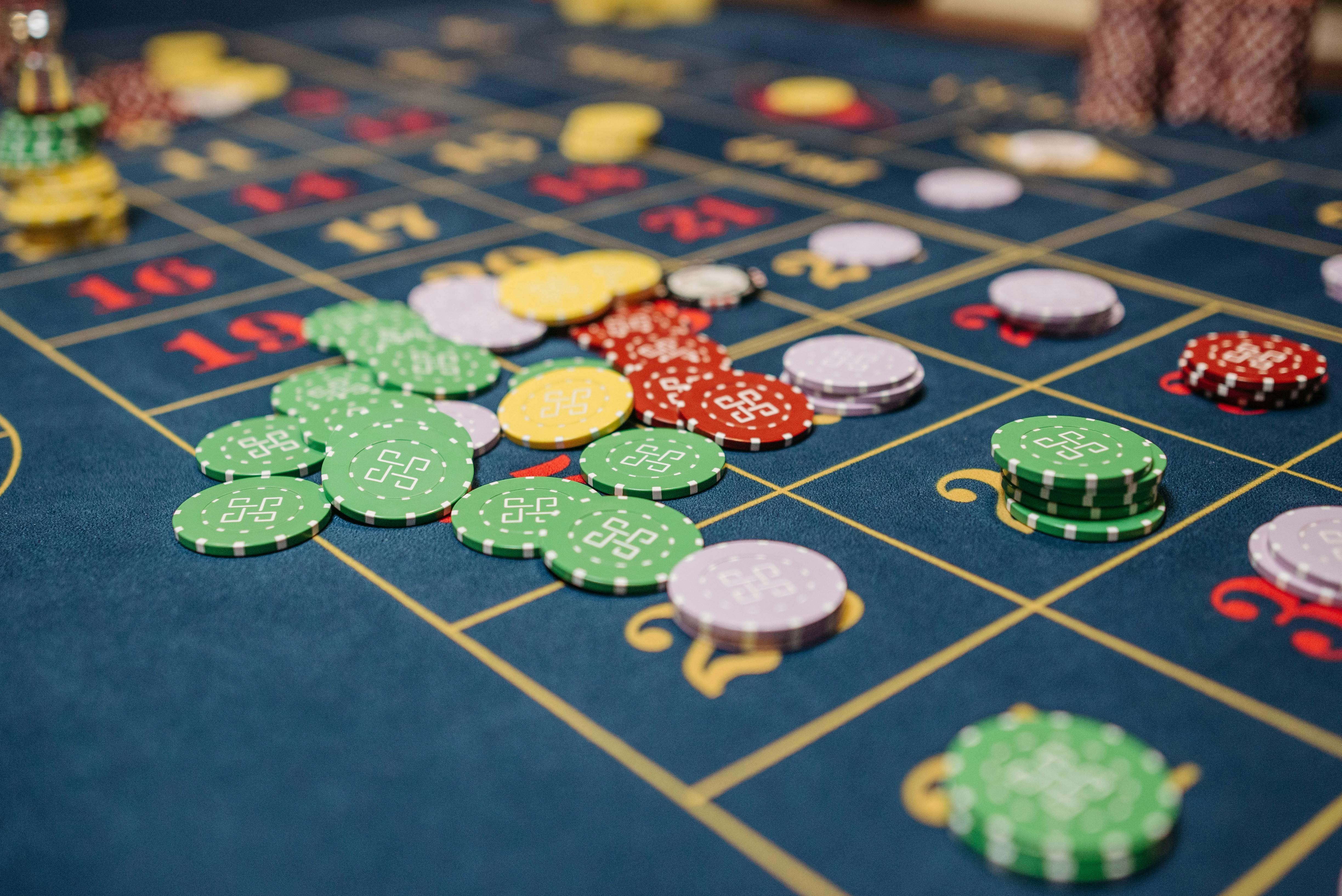
In ancient Rome, gambling flourished in public places, with citizens frequently betting on chariot races and gladiatorial contests. Roman emperors understood the social significance of gambling, often encouraging it to promote unity and provide entertainment. The introduction of gaming houses during this time represented a shift towards organized gambling, giving rise to a burgeoning industry fueled by bets placed on various competitions.
Religious and moral attitudes towards gambling also began to emerge during these early periods. While some cultures viewed gambling as a harmless pastime, others condemned it as sinful or corrupting. This duality set the stage for ongoing debates about gambling that continue to this day, reflecting societal values and the evolving perceptions of chance and luck throughout history.
The Middle Ages and Regulation
The Middle Ages brought about significant changes in the perception and regulation of gambling activities. As societies began to organize themselves under more structured governments, rules surrounding betting and games became more formalized. The Catholic Church played a prominent role in condemning gambling, associating it with sin and vice, which led to various bans and restrictions across Europe. This period exemplified how social and religious authorities sought to control gambling behaviors.
Despite these restrictions, gambling persisted and even thrived in secretive manners. The emergence of playing cards in Europe around the 14th century marked a notable transition, as card games began to capture the public’s imagination. This era saw the creation of various games that would later lay the foundation for modern card games and casino games, demonstrating how gambling can evolve in response to cultural trends and technologies.
Moreover, the establishment of gambling houses and the later introduction of lotteries in the late Middle Ages reflected a growing acceptance of games of chance. These changes highlighted a gradual shift from illicit gambling practices to more organized forms, paving the way for future regulations and the development of legal gambling institutions in the Renaissance period.
The Renaissance and Modernization of Gambling
The Renaissance era marked a renaissance of gambling, with an explosion of interest in various gaming formats, including the establishment of the first official casinos. The Casino di Venezia in Italy, built in 1638, is widely considered the world’s first casino, revolutionizing how people engaged with gambling. This period was characterized by a burgeoning fascination with chance and the mathematical principles behind it, leading to the creation of games like roulette, which originated during this time.
As gambling became more socially accepted, so did its regulation. European countries began to implement laws governing gambling operations, ensuring fairness and accountability. This was a significant evolution, as it shifted gambling from an underground activity to a legitimate form of entertainment, often regulated by the state. This regulatory framework laid the groundwork for the modern gambling industry, establishing rules that are still relevant today.
Additionally, the expansion of gambling moved beyond Europe, as colonization facilitated the spread of these practices worldwide. The introduction of games and gambling customs in the Americas exemplified this global evolution, with various cultures adapting traditional European games to create unique gambling experiences reflective of their local traditions. This cross-pollination of ideas enriched the gambling landscape significantly.
The Rise of Online Gambling
The late 20th century witnessed a seismic shift in the gambling landscape with the advent of the internet. Online gambling emerged in the mid-1990s, offering players unprecedented access to a variety of games from the comfort of their homes. The establishment of online casinos allowed players to engage in poker, slots, and sports betting in ways that were previously unimaginable. This evolution democratized gambling, making it more accessible to a broader audience.
As technology continued to advance, so did the sophistication of online gaming platforms. Innovative features such as live dealer games, mobile compatibility, and virtual reality options transformed the online gambling experience, enhancing engagement and user satisfaction. Players could now enjoy a social and immersive gambling environment without needing to visit a physical casino, showcasing the potential of technology to reshape traditional practices.
However, this shift also introduced new challenges, such as the need for stringent regulations to protect consumers from fraud and gambling addiction. Governments around the world have had to adapt their laws to account for the unique nature of online gambling, balancing the promotion of industry growth with necessary consumer protections. This ongoing evolution is crucial as society navigates the implications of gambling in a digital age.
Future Trends in Gambling
The future of gambling is likely to be defined by continued technological innovation and a growing emphasis on responsible gambling practices. As virtual reality and artificial intelligence become more integrated into online gaming experiences, players can expect increasingly immersive and personalized environments. These advancements will enhance user engagement, allowing for more tailored gaming experiences that cater to individual preferences and habits.
Moreover, the integration of cryptocurrencies in gambling platforms is a noteworthy trend. Digital currencies offer players a new level of anonymity and security while also facilitating quicker transactions. This evolution signifies a shift in the financial frameworks within which gambling operates, potentially altering how betting is conducted on a global scale.
As the industry progresses, the importance of responsible gambling initiatives will become paramount. Operators are increasingly recognizing their role in promoting safe gambling practices, using technology to implement measures that encourage self-exclusion and responsible play. This commitment to player well-being will be crucial in shaping a sustainable gambling environment that caters to diverse demographics and respects regulatory requirements.

Join Our Gambling Community
Exploring the evolution of gambling through the ages highlights the resilience and adaptability of this age-old pastime. Our platform serves as a comprehensive resource for navigating the ever-expanding world of gambling, whether you are interested in historical insights or current trends. We provide in-depth reviews and rankings for various online casinos, assisting players in making informed decisions while enhancing their gaming experiences.
As the landscape of gambling continues to evolve, our community offers insights into promotional offers, safety measures, and the latest games. Join us to stay informed about the dynamic changes in the gambling world, ensuring you enjoy a responsible and engaging gaming experience tailored to your preferences.
Lämna ett svar